
As the commercial impact of losses is very high, it is important to accurately monitor any variation in the quantity of petroleum products as they move through the supply chain to prevent commercial losses. This is achieved through good practices enforced at all stages of custody transfer.

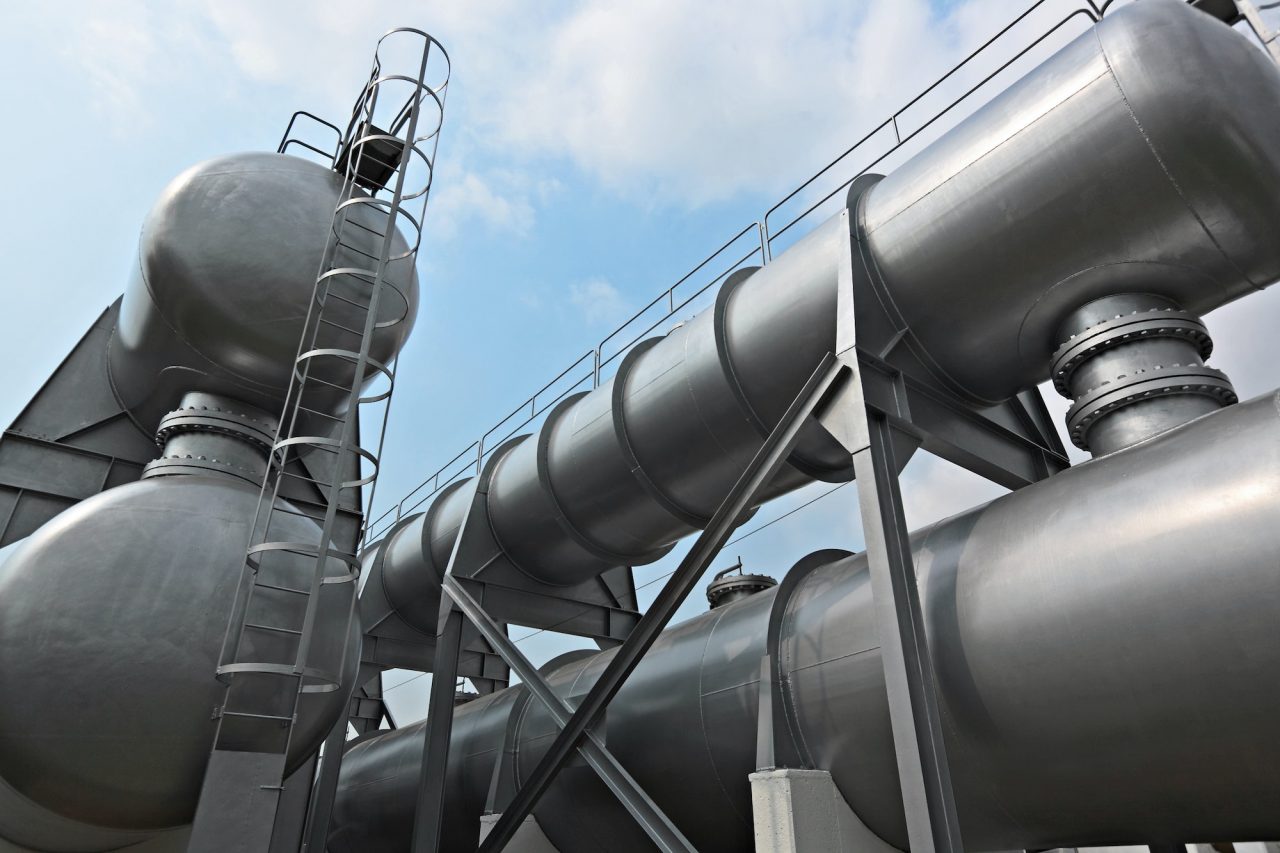
Loss control services offer our clients a comprehensive approach to mitigate risks, enhance safety, and ensure operational efficiency. From safety management to environmental protection and regulatory compliance, they are essential for safeguarding assets, reducing costs, and fostering sustainable practices.
A bunker survey during the loading or discharge of a vessel can be a valuable loss control tool for locating cargo losses when the ship-to-shore difference is greater than normal. If there is an unaccountable gain in bunker tanks or bunker volumes that cannot be reconciled, a bunker survey can help identify the causes. Although the vessel’s fuel system is inherently separate from the cargo system, intentional or unintentional cargo diversion can occur and should be monitored, especially where cargo can be used as bunker fuel.


Comparisons are made between the expected bunker volumes based on the last fuel intake and normal consumption versus what was actually found. A bunker survey conducted when vessels take on fuel bunkers or for on/off hire is a valuable tool to ensure bunker fuel quantity and quality are maintained and variances minimized.
A draft survey is conducted to ascertain the weight of cargo on board a vessel. This involves measuring the displacement of water before and after loading or unloading. The resulting difference reflects the weight of the designated cargo and helps minimize variances.
Ship-to-ship transfers are made during custody transfer of oil cargoes to protect clients from losses. Attendance on both vessels can greatly help in controlling transfer quantities.


From enhancing flexibility and reducing costs to improving efficiency and facilitating emergency response, STS transfers are a vital component of the industry’s logistics and operations. With careful management and adherence to safety and environmental regulations, STS transfers play a crucial role in ensuring the smooth and sustainable movement of oil resources across the globe.
Vessels load and discharge to and from shore terminals through multiple lines and pumps, both on shore and on the vessel. These points of transfer and measurement have variables that can lead to significant losses in both quantity and quality. Timely attendance by superintendents will reduce and mitigate the risks associated with custody transfers.

Terminal evaluations serve several purposes, such as good practice, stock checks, assessing terminal suitability, loss control, and fostering continuous improvement. Independent and experienced teams can achieve significant savings by identifying poor practices, suggesting improvements, and monitoring changes effectively.

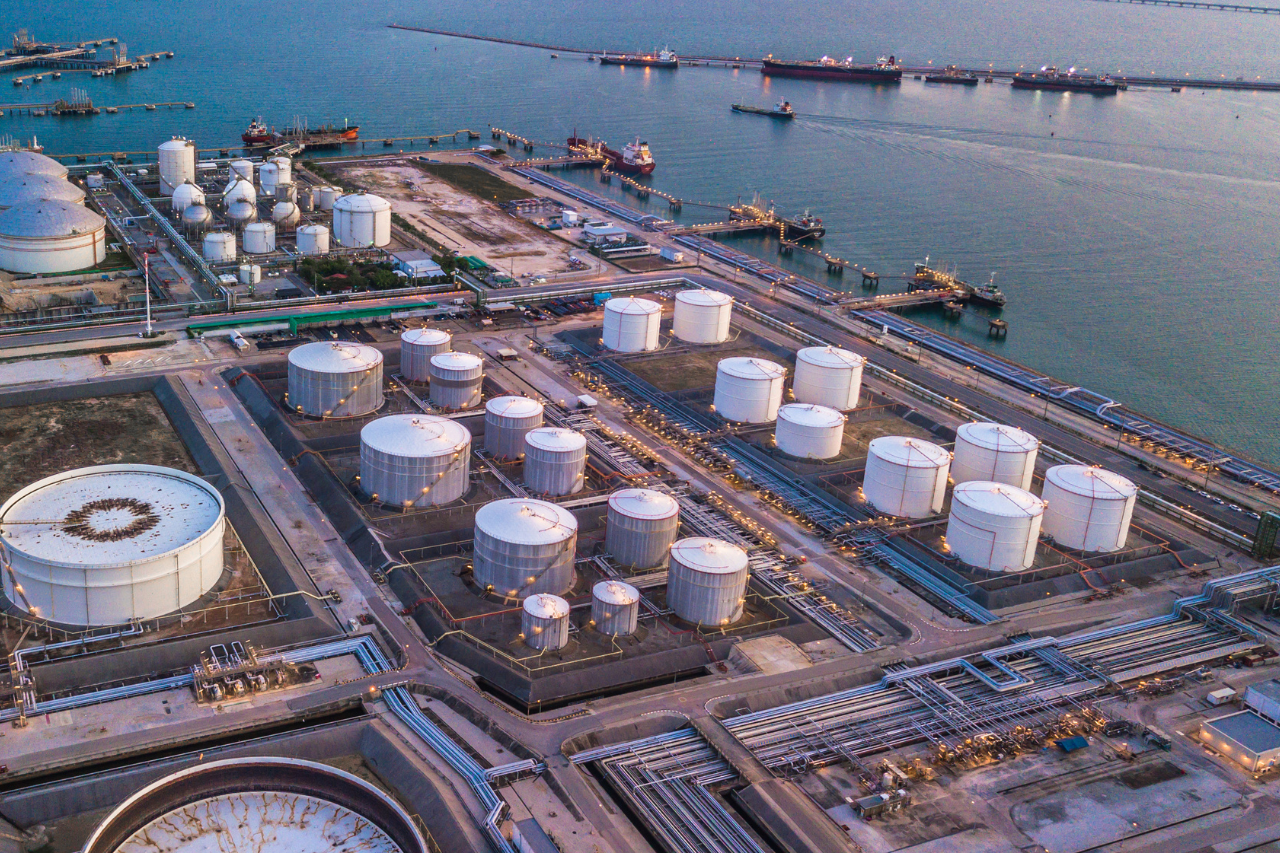
From enhancing flexibility and reducing costs to improving efficiency and facilitating emergency response, STS transfers are a vital component of the industry’s logistics and operations. With careful management and adherence to safety and environmental regulations, STS transfers play a crucial role in ensuring the smooth and sustainable movement of oil resources across the globe.
Vessel evaluations serve multiple purposes, such as on/off hire, charter suitability, good practice, loss control, and continuous improvement. Independent and experienced teams can achieve considerable savings by identifying poor practices, suggesting improvements, and monitoring changes.

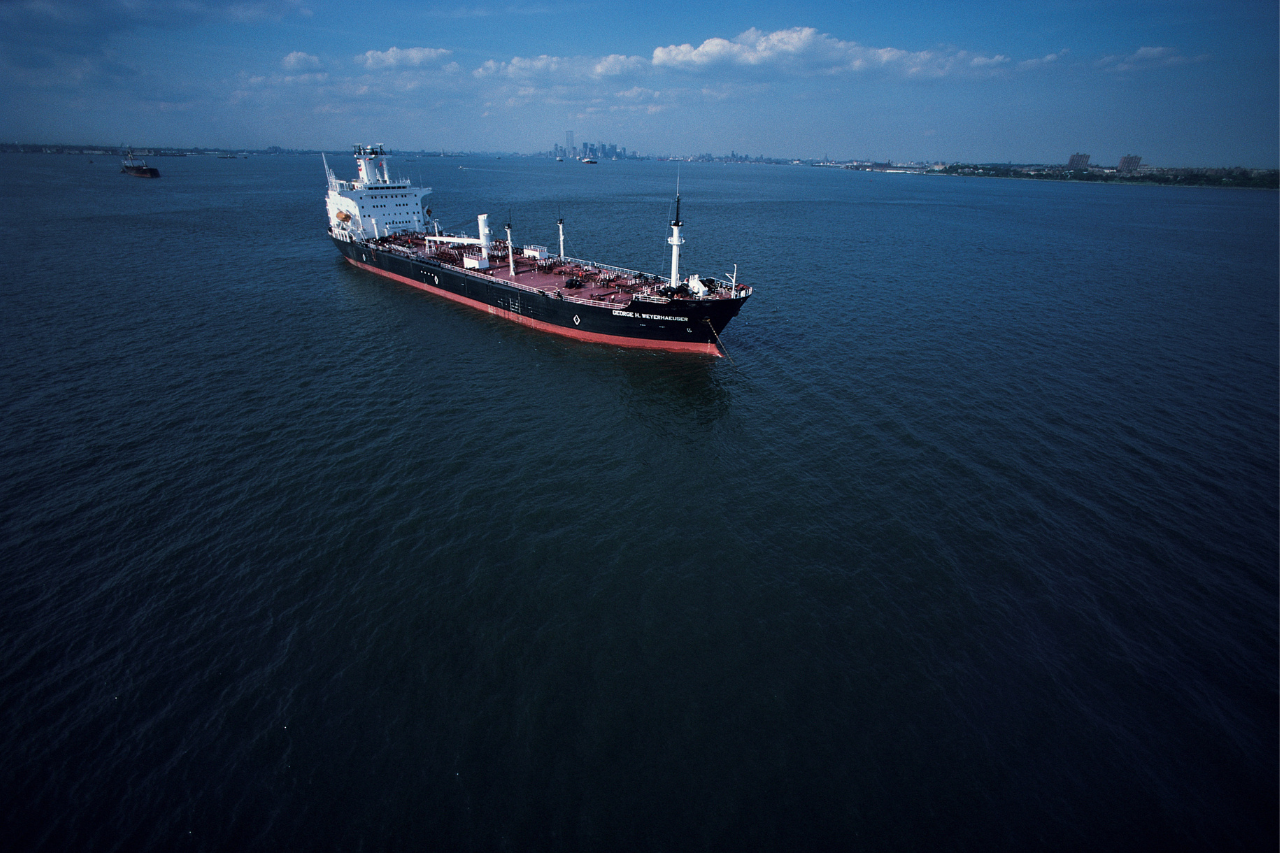
Vessels load and discharge to and from shore terminals through multiple lines and pumps, both on shore and on the vessel. These points of transfer and measurement have variables that can lead to significant losses in both quantity and quality. Timely attendance by superintendents will reduce and mitigate the risks associated with custody transfers.
Tank suitability inspections are conducted on both terminal bulk storage and vessels to determine their suitability to receive nominated grades and maintain quality. Experienced superintendents, knowledgeable about product critical parameters and storage tank/vessel construction, conduct these inspections. Alongside assessing tank suitability, we also provide advice on tank cleaning methods to achieve suitability and expedite tank readiness safely.

It offers a comprehensive solution for maintaining the quality, compliance, and efficiency of tank storage operations through the Tank Suitability/Cleanliness Inspection service. By ensuring that tanks are suitable, clean, and ready to receive specific grades of products, the service enhances product quality, safety, and operational efficiency while minimizing downtime and costs and meeting industry standards and requirements.
The oil trading markets necessitate the treatment and enhancement of spot cargoes prior to reaching the market. OilExpress maintains an inventory of additives and dedicated teams to execute treatments aimed at rectifying and enhancing various parameters. These treatments are conducted to bring off-spec cargoes into compliance with specifications or to enhance cargoes to meet new standards. Both of these options are highly significant in the trading market and are provided with strict confidentiality.
Lorem ipsum dolor sit amet, consectetur adipiscing elit. Ut elit tellus, luctus nec ullamcorper mattis, pulvinar dapibus leo.
Hac maecenas neque potenti felis eget.
Hac maecenas neque potenti felis eget.
Hac maecenas neque potenti felis eget.
Hac maecenas neque potenti felis eget.